-
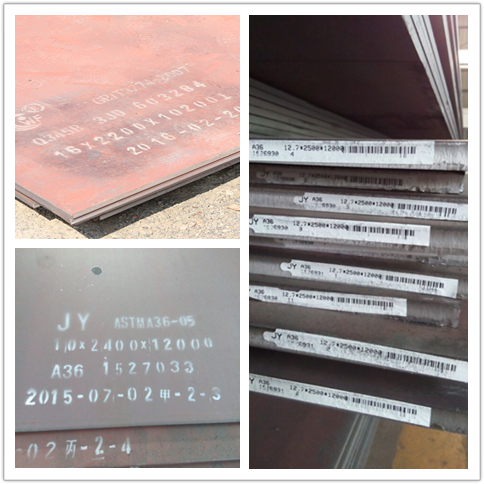
What’s the difference between medium and heavy plates and flat plates?
The connection between medium and heavy plates and Open slabs is that both are types of steel plates and can be used in various industrial production and manufacturing fields. So, what are the differences? Open slab: It is a flat plate obtained by uncoiling steel coils, ...Read more -

What is the difference between SECC and SGCC?
SECC refers to electrolytically galvanized steel sheet. The “CC” suffix in SECC, like the base material SPCC (cold rolled steel sheet) before electroplating, indicates it is a cold-rolled general-purpose material. It features excellent workability. Additionally, due to...Read more -

Differences Between SPCC and Q235
SPCC refers to commonly used cold-rolled carbon steel sheets and strips, equivalent to China's Q195-235A grade. SPCC features a smooth, aesthetically pleasing surface, low carbon content, excellent elongation properties, and good weldability. Q235 ordinary carbon ...Read more -
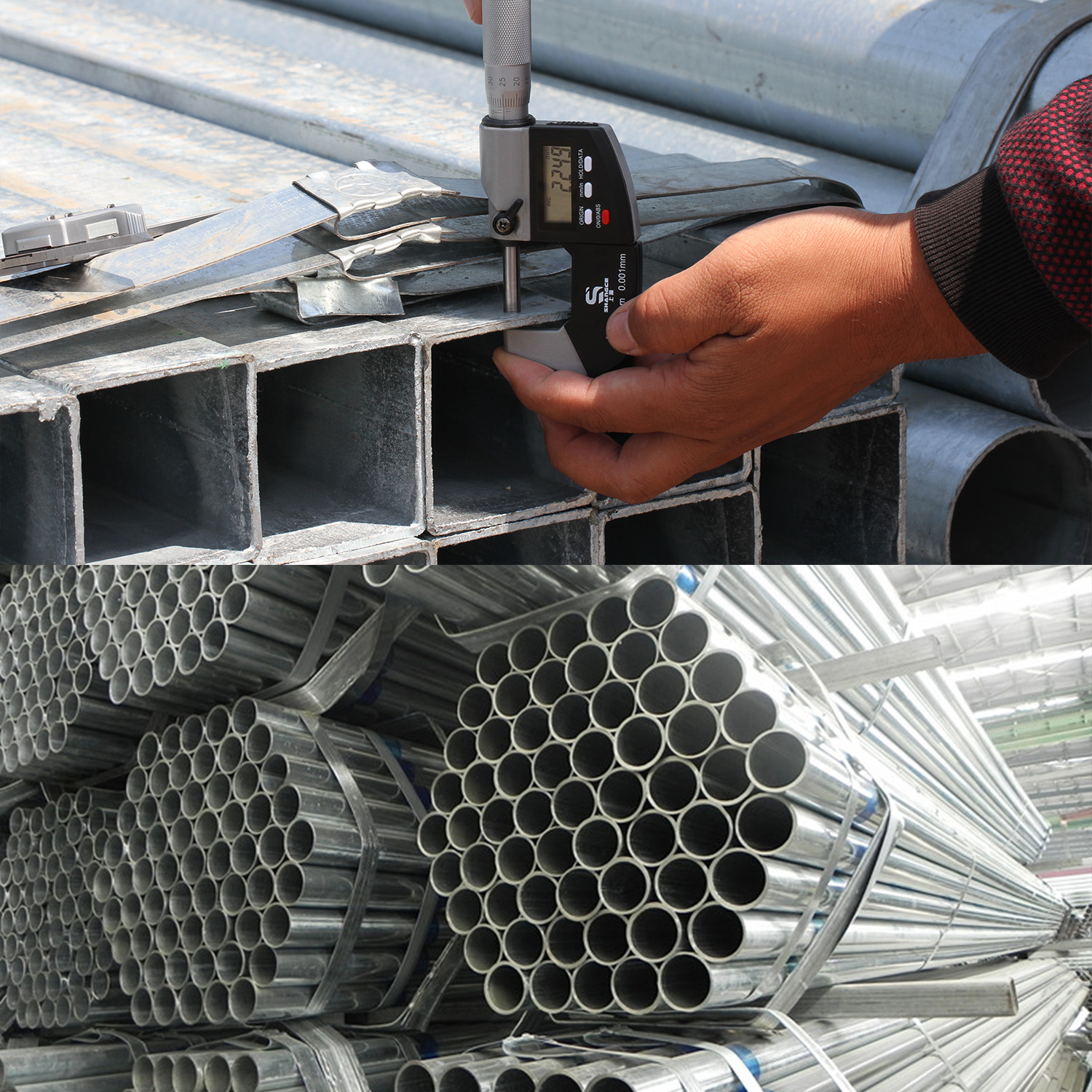
Difference Between Pipe and Tube
What is pipe? Pipe is a hollow section with round cross section for the conveyance of products, including fluids, gas, pellets and powders, etc. The most important dimension for a pipe is the outer diameter (OD) together with the wall thickness (WT). OD minus 2 times ...Read more -
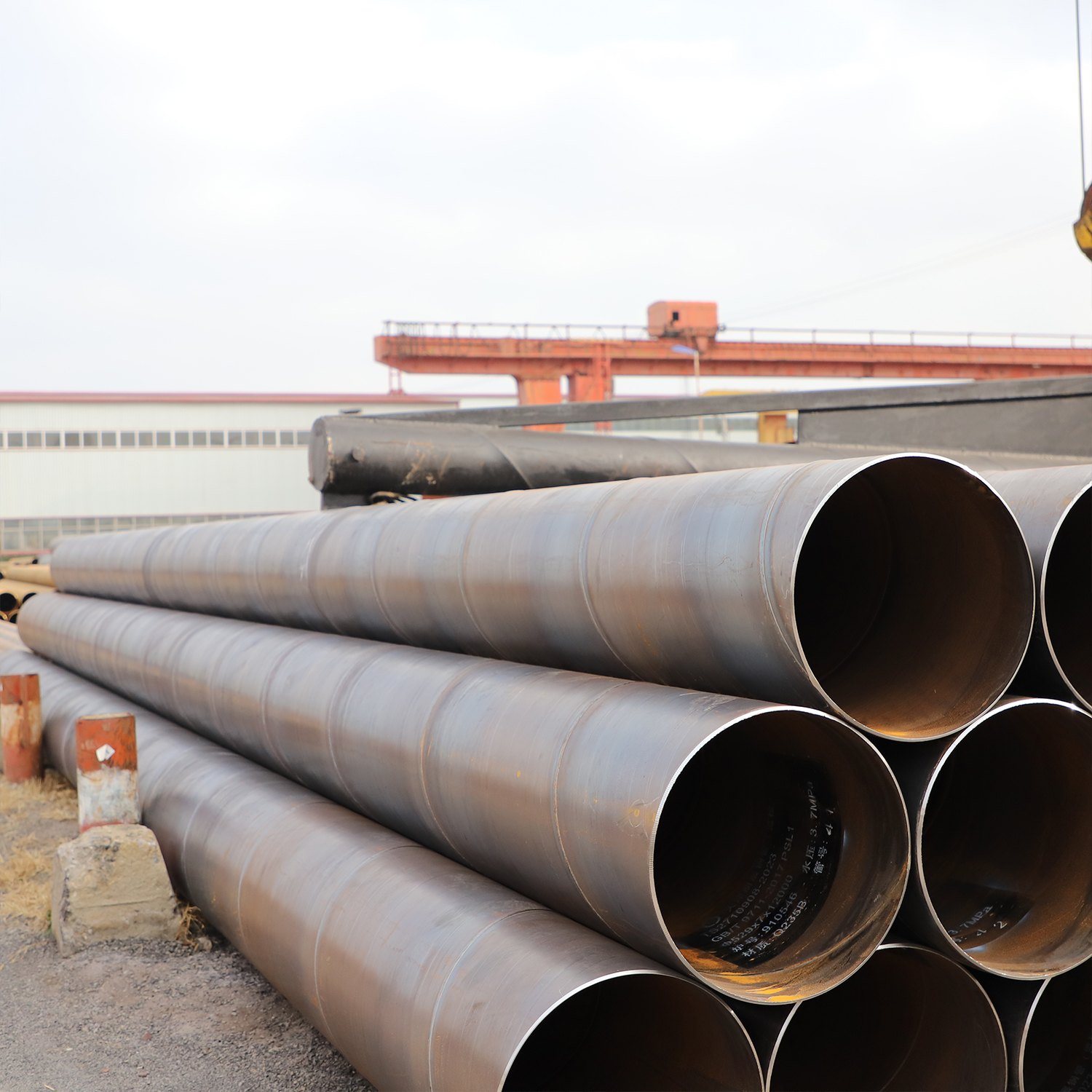
What is API 5L?
API 5L generally refers to the implementation standard for pipeline steel pipes, which include two main categories: seamless steel pipes and welded steel pipes. Currently, the commonly used welded steel pipe types in oil pipelines are spiral submerged arc welded pipes ...Read more -

Steel pipe dimensions
Steel pipes are classified by cross-sectional shape into circular, square, rectangular, and special-shaped pipes; by material into carbon structural steel pipes, low-alloy structural steel pipes, alloy steel pipes, and composite pipes; and by application into pipes for...Read more -

How to weld galvanized pipes? What precautions should be taken?
Measures to ensure welding quality include: 1. Human factors are the key focus of galvanized pipe welding control. Due to the lack of necessary post-welding control methods, it is easy to cut corners, which affects quality; at the same time, the special nature of galva...Read more -

What is galvanized steel ? How long does the zinc coating last ?
Galvanizing is a process where a thin layer of a second metal is applied to the surface of an existing metal. For most metal structures, zinc is the go-to material for this coating. This zinc layer acts as a barrier, protecting the underlying metal from the elements. T...Read more -

What is the difference between galvanized steel pipes and stainless steel pipes?
Essential differences: Galvanized steel pipes are made of carbon steel with a zinc coating on the surface to meet daily usage requirements. Stainless steel pipes, on the other hand, are made of alloy steel and inherently possess corrosion resistance, eliminating the ne...Read more -

Does galvanized steel rust? How can it be prevented?
When galvanized steel materials need to be stored and transported in close proximity, sufficient preventive measures should be taken to prevent rusting. The specific preventive measures are as follows: 1. Surface treatment methods can be used to reduce the forma...Read more -

How to cut metal?
The first step in metal processing is cutting, which involves simply severing raw materials or separating them into shapes to obtain rough blanks. Common metal cutting methods include: grinding wheel cutting, saw cutting, flame cutting, plasma cutting, laser cutting, a...Read more -

Steel corrugated culvert construction precautions in different weather and climate conditions
In different weather climate steel corrugated culvert construction precautions are not the same, winter and summer, high temperature and low temperature, the environment is different construction measures are also different. 1.High temperature weather corrugated culver...Read more

NEWS
Stay updated with steel market shifts, product know-how ,product application guidesand our latest company updates


