

Currently, widely adopted standards for oil and gas transmission steel pipes both domestically and internationally include:
(1) API SPEC 5L "Specification for Line Pipe" by the American Petroleum Institute.
(2) International standards ISO 3183-1, -2, -3 "Petroleum and Natural Gas Industries - Steel Pipe for Pipelines - Technical Delivery Conditions".
(3) For some critical long-distance pipelines, supplementary procurement technical conditions are established based on specific operating environments.
I. Classification and Key Differences of Steel Pipes in API Standards for Oil and Gas Transmission
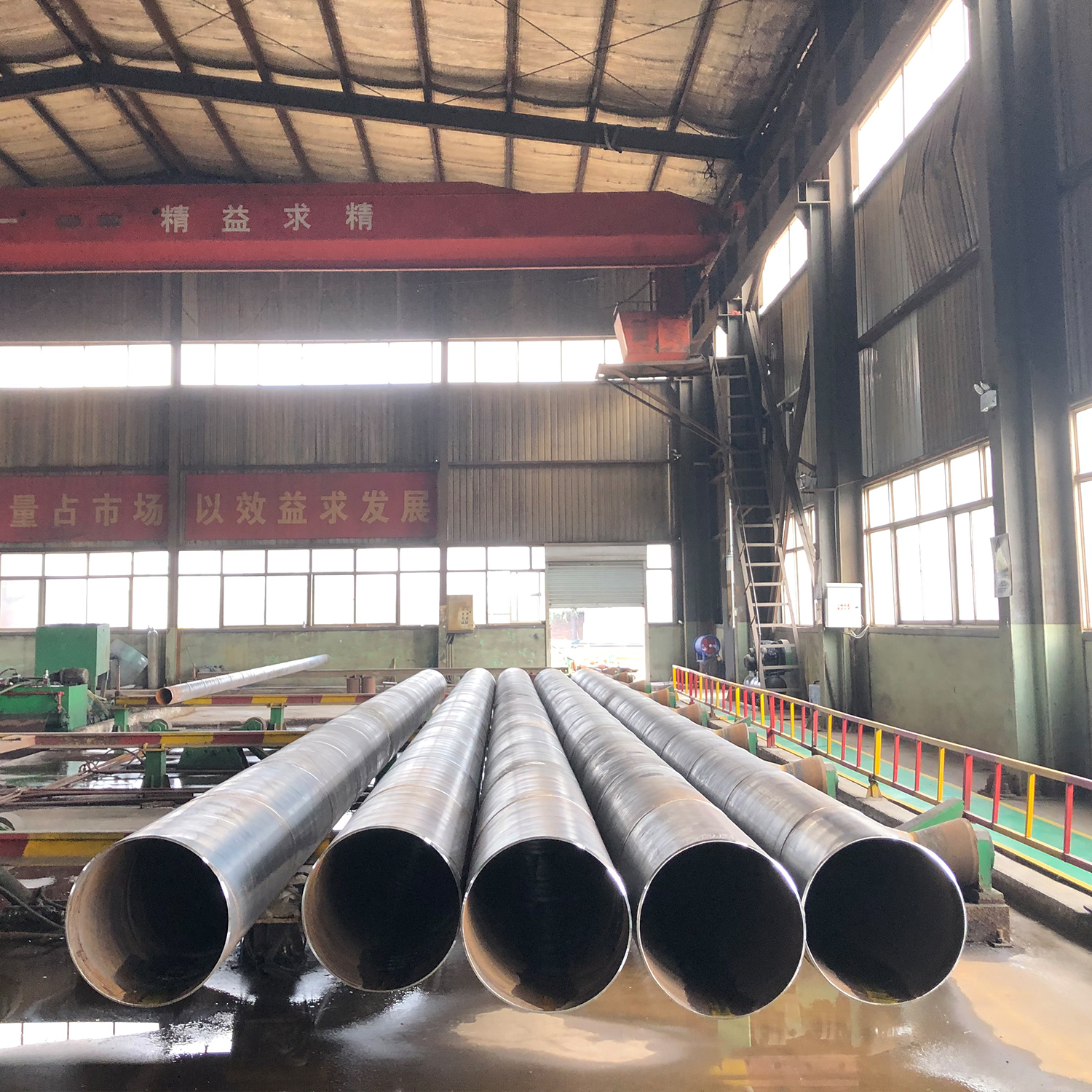
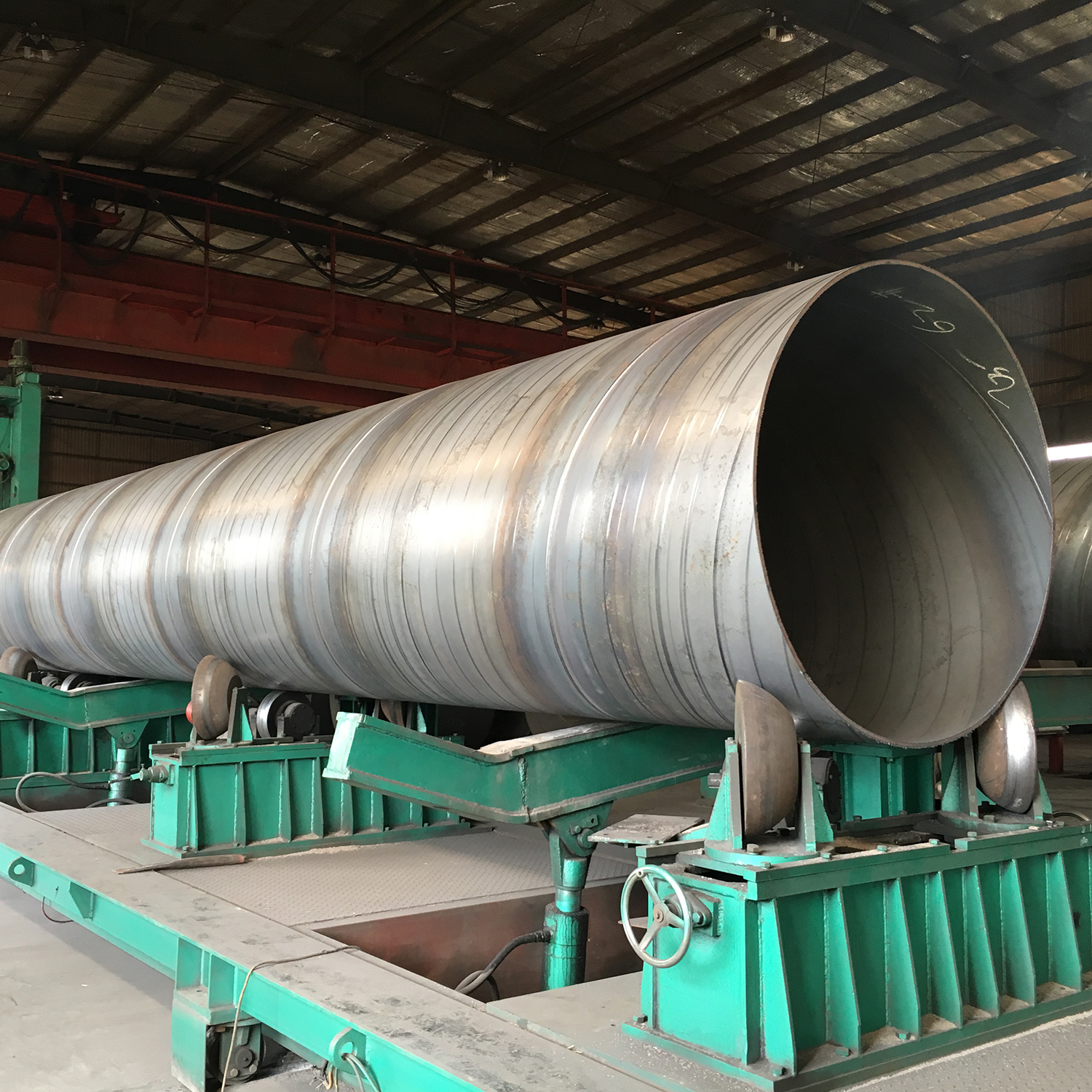
API 5L generally refers to the execution standard for pipeline pipes, which encompass two main categories: seamless steel pipes and welded steel pipes. For oil transmission pipelines, commonly used welded pipe types include Spiral Submerged Arc Welded pipes (SSAW pipes), Longitudinal Submerged Arc Welded pipes (LSAW pipes), and Electric Resistance Welded pipes (ERW pipes). Seamless steel pipes are typically selected when the pipeline diameter is less than 152 mm.
China's national standard GB/T 9711-2011 "Petroleum and Natural Gas Industries - Steel Pipe for Pipeline Transportation Systems" is formulated based on API 5L.
GB/T 9711-2011 specifies manufacturing requirements for seamless and welded steel pipes at two product specification levels (PSL1 and PSL2) used in petroleum and natural gas pipeline transportation systems. Therefore, this standard is applicable only to seamless and welded steel pipes for petroleum and natural gas transmission, not to cast iron pipes.
Steel Grades
The API 5L standard covers a wide range of steel grades for raw materials, including GR.B, X42, X46, X52, X56, X60, X70, X80, etc. Different steel grades have varying requirements for raw materials and production processes, but the carbon equivalent among different grades is strictly controlled.
Quality Standards
In the API 5L steel pipe standard, quality requirements are divided into PSL1 and PSL2. PSL stands for Product Specification Level.
PSL1 provides general quality level requirements for pipeline pipes, while PSL2 introduces mandatory requirements for chemical composition, notch toughness, strength properties, and supplementary non-destructive examination (NDE).
For PSL1 pipes, the pipe grade is the same as the steel grade (or designation, e.g., X42, where 42 represents the minimum yield strength in psi). The grade is composed of letters or a combination of letters and numbers that identify the pipe's strength level and is related to the steel's chemical composition.
For PSL2 pipes, the grade is also composed of letters or a combination of letters and numbers that identify the pipe's strength level and is related to the steel's chemical composition. Additionally, it includes a suffix consisting of a single letter (R, N, Q, or M) indicating the delivery condition. For PSL2 pipes, after the delivery condition, there may be letters indicating the service condition: S for sour service environments or O for offshore service environments.
Comparison of Quality Standards
- PSL2 has higher quality standards than PSL1. These two specification levels differ not only in inspection requirements but also in chemical composition and mechanical property requirements. Therefore, when ordering according to API 5L, in addition to specifying common indicators such as specifications and steel grades in the contract, the product specification level (PSL1 or PSL2) must also be indicated. PSL2 is stricter than PSL1 in terms of chemical composition, tensile properties, impact energy, and non-destructive testing indicators.
- PSL1 does not require impact performance testing, while PSL2 requires that for all steel grades except X80, the average full-size 0°C Akv (impact energy) values should be: longitudinal ≥ 41 J and transverse ≥ 27 J. For X80 steel grade, the average full-size 0°C Akv values should be: longitudinal ≥ 101 J and transverse ≥ 68 J.
- Pipeline pipes should undergo hydrostatic testing on a pipe-by-pipe basis, and the standard does not allow non-destructive testing to replace hydrostatic testing. This is a significant difference between API standards and Chinese standards. PSL1 does not require non-destructive testing, while PSL2 requires non-destructive testing on a pipe-by-pipe basis.
II. Classification and Key Differences of Steel Pipes in ISO Standards for Oil and Gas Transmission Seamless Steel Pipes
In the ISO 3183 standard for oil and gas transmission steel pipes, steel pipes are classified into three parts (A, B, and C) based on differences in quality requirements, also known as Grade A, Grade B, and Grade C requirements.
The main differences are as follows: ISO 3183-1 Grade A standard requirements establish basic quality requirements comparable to those in API SPEC 5L, which are general in nature. ISO 3183-2 Grade B standard requirements, in addition to the basic requirements, include additional requirements for toughness and non-destructive testing. For certain special applications, such as sour environments, offshore conditions, and low-temperature conditions, which impose very strict requirements on the quality and testing of seamless steel pipes, these are mainly reflected in the ISO 3183-3 Grade C standard requirements.
We have always adhered to high standards in the oil and gas transmission steel pipe industry. Our products hold API certification, and all products are strictly produced and inspected in accordance with international and domestic mainstream standards such as API 5L and GB/T 9711-2011, ensuring high quality, reliability, and safety. They meet the usage requirements for various scenarios, including long-distance pipelines, sour environments, and offshore environments. Choose our steel pipes for your pipeline projects and experience the peace of mind that comes with using certified, high-quality products.
Post time: Jan-27-2026


