
Most steel processing involves pressure processing, which causes the steel being processed (such as billets or ingots) to undergo plastic deformation. Depending on the processing temperature, this can be divided into two types: cold working and hot working.
Steel testing items for metallic materials:
Chemical Composition Testing
Analyzing the content of elements such as C, S, P, Mn, Si, Cr, and Ni in the steel. This helps determine the steel's chemical composition and assess whether it meets specified standards, thereby evaluating requirements for mechanical properties, corrosion resistance, and other aspects.
Mechanical Property Testing
Includes indicators such as tensile strength, yield strength, impact toughness, and hardness. These indicators directly relate to the steel's performance characteristics, such as load-bearing capacity and impact resistance. Mechanical property testing ensures that the steel meets the mechanical requirements of specific application environments.
Dimensional Tolerance Testing
This involves measuring dimensional parameters such as diameter, length, and width to ensure the steel meets product design and application requirements. This helps improve the precision of steel processing and installation while ensuring consistent product quality.
Surface Quality Testing
This evaluates the surface finish and degree of corrosion on the steel. Surface quality significantly impacts the steel's aesthetic appeal and corrosion resistance.
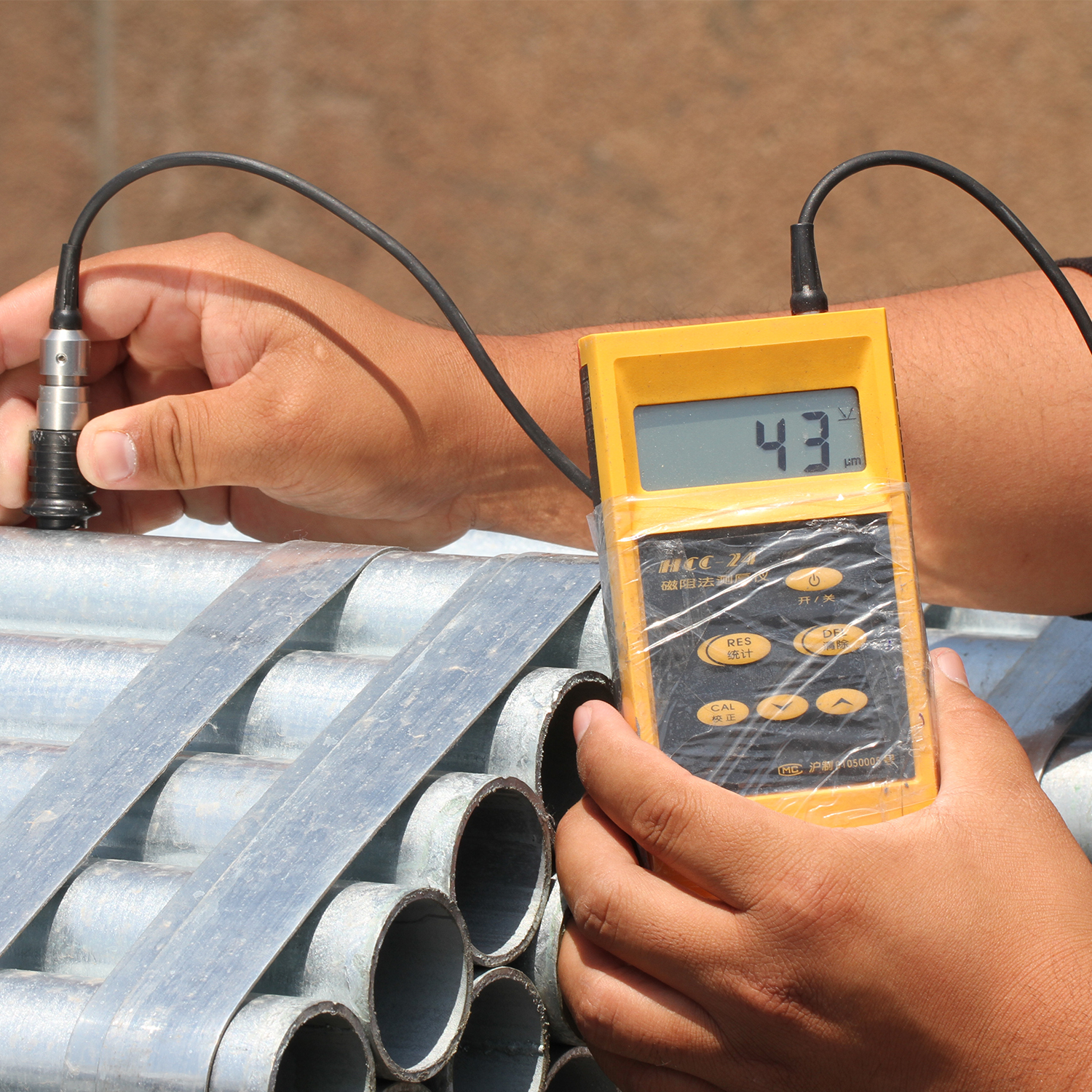
The Steel Testing Process
The steel testing process typically includes the following key steps:
Material Sampling
This is the first step in steel testing, involving the random selection of samples from raw materials or finished products for testing. Sampling must ensure the representativeness of the samples so that the test results accurately reflect the quality of the entire batch.
Visual Inspection
Visual inspection is the initial stage of steel acceptance, used to determine whether there are obvious quality issues on the steel surface, such as rust, surface irregularities, scratches, or dents. This typically involves checking whether the steel surface is flat and smooth, whether the cross-section has defects, cracks, pores, or inclusions, as well as verifying that surface markings are clear and that the steel serial numbers match those in the acceptance documents.
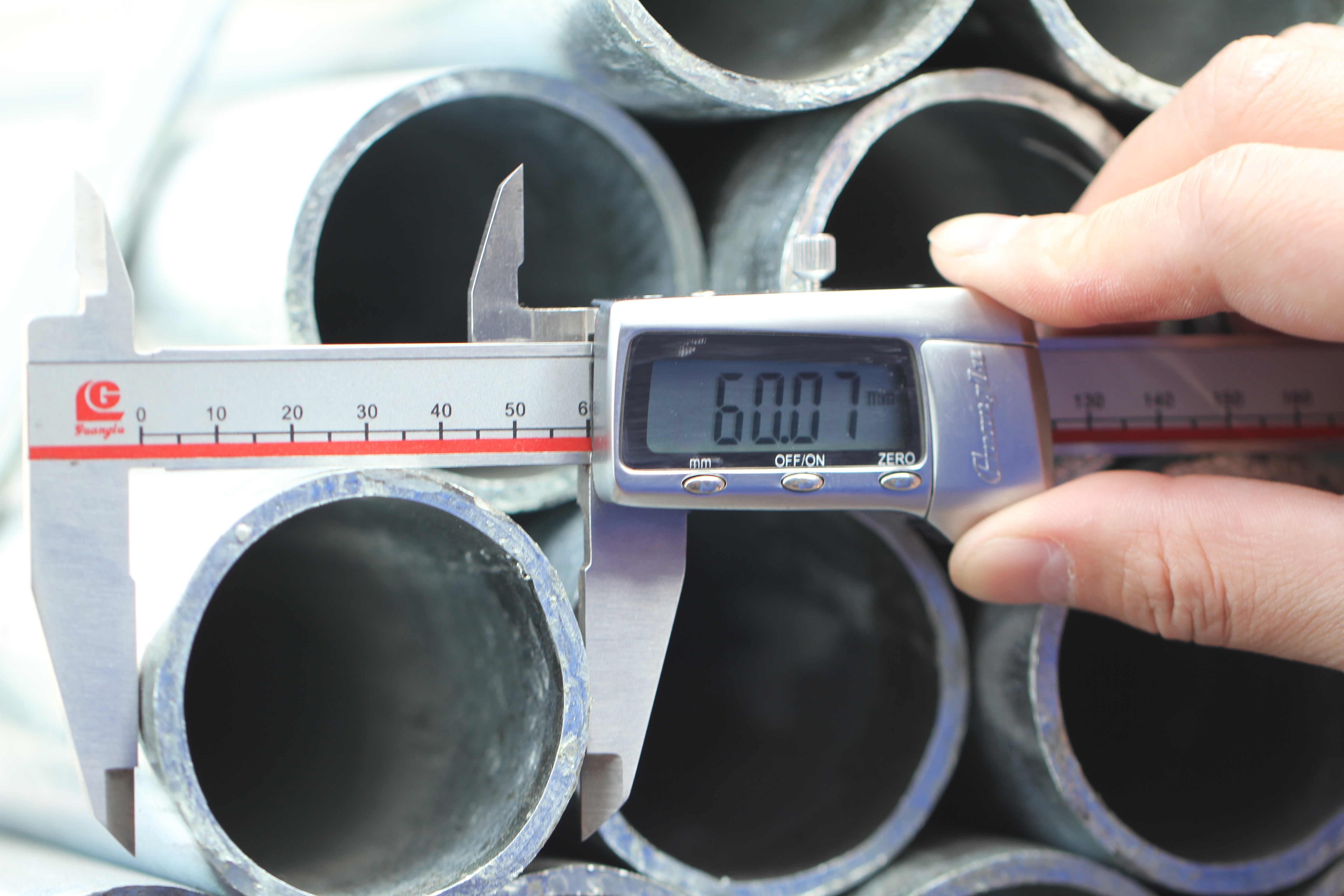
Dimensional Measurement
Dimensional measurement is a critical step in steel acceptance, aimed at verifying whether the steel's length, width, thickness, diameter, roundness, and other dimensions meet specifications. This is typically performed using measuring tools such as steel rulers and vernier calipers.
Chemical Composition Analysis
This is a critical step in verifying whether the steel meets the standard requirements for chemical composition. Using instruments such as spectrometers and mass spectrometers, the content of various elements in the material is analyzed to ensure that the alloy composition meets specifications. Chemical composition analysis typically involves multiple stages, including sampling, chemical analysis, determination, and calculation.
Mechanical Property Testing
Steel must possess certain mechanical properties, such as strength, toughness, and hardness. Methods such as tensile testing, impact testing, and hardness testing are used to verify whether the material's mechanical properties meet the requirements. For example, strength testing can be performed using a tensile testing machine to determine parameters such as yield strength and tensile strength; elongation testing uses an extensometer or elongation testing machine to measure changes in elongation under tensile stress.
Corrosion Resistance Testing & Non-Destructive Testing
For steel used in harsh environments, its corrosion resistance must be tested. Corrosion tests simulate the material's behavior in moist or corrosive media to evaluate its corrosion resistance. Non-Destructive Testing: This involves using ultrasonic testers, magnetic particle testers, X-ray equipment, and other tools to detect internal defects in steel, such as cracks, inclusions, and porosity.
Verification of Markings and Test Results
After completing all necessary tests, the results must be compared against standards to confirm whether the steel meets requirements, and appropriate markings must be applied. The impact of these inspection items on steel is primarily reflected in the following aspects: Ensuring Steel Quality and Performance: By testing indicators such as chemical composition and mechanical properties, it is possible to ensure that the steel complies with specified standards and possesses excellent quality and performance.
Key Impacts of Steel Inspection
Enhancing product reliability: As a critical structural material, the quality and performance of steel directly impact product reliability. Testing enables the timely detection of defects and issues in the steel, thereby preventing potential safety hazards.
Optimizing production and processing: By testing indicators such as dimensional tolerances and surface quality, production and processing procedures can be optimized, leading to improved production efficiency and product quality.
Post time: May-06-2026


