

How to Measure the Thickness of Checkered Steel Plates?
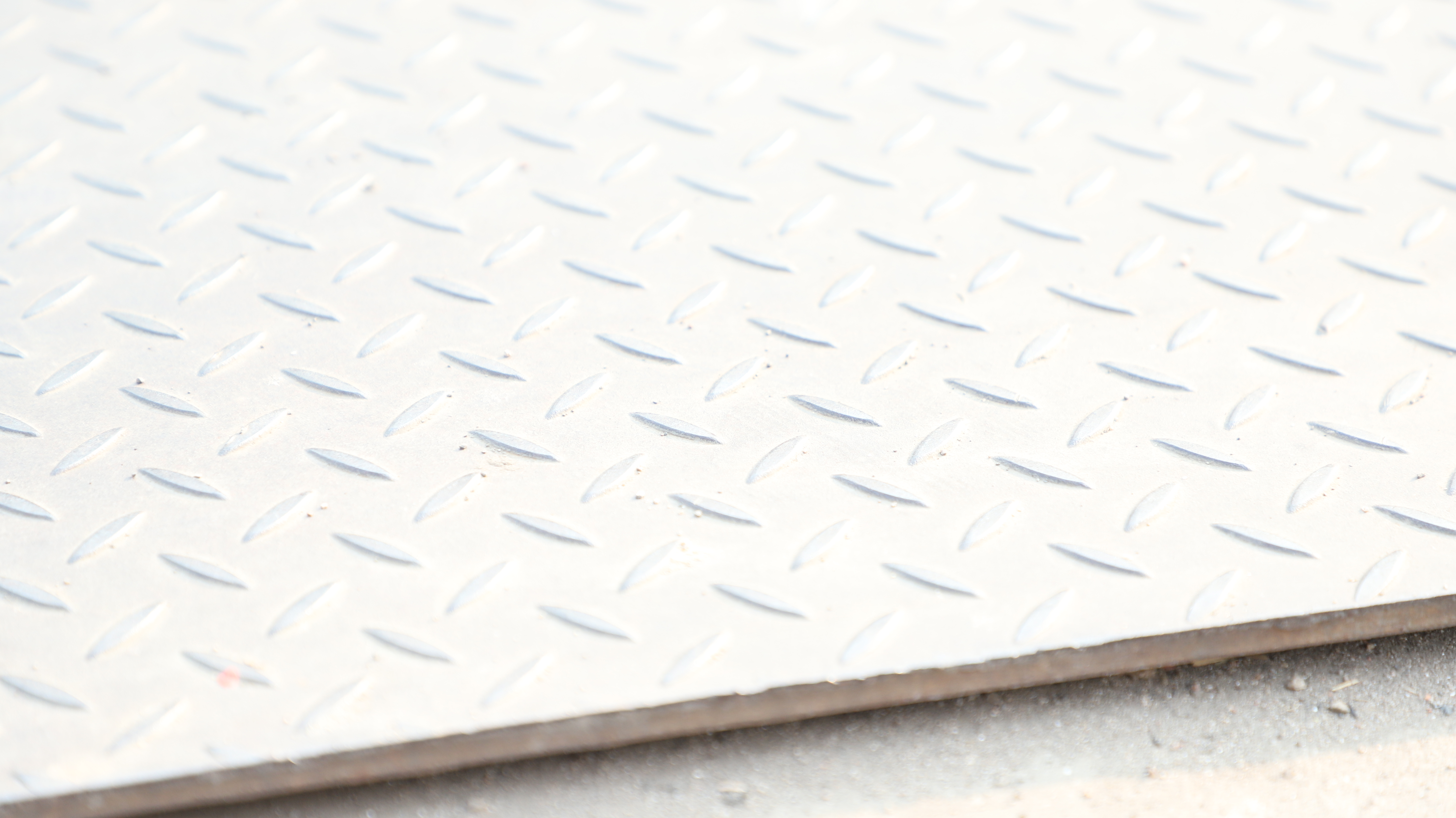
- 1.You can measure directly with a ruler. Pay attention to measuring the areas without patterns, because what you need to measure is the thickness excluding the patterns.
- 2.Take multiple measurements around the perimeter of the checkered steel plate.
- 3.Finally, calculate the average of the measured values, and you will know the thickness of the chequered steel plate. Generally, the basic thickness of checkered steel plates is 5.75 millimeters. It is advisable to use a micrometer for measurement, as it can provide more accurate results.
Tips for Selecting Steel Plates
- 1.Firstly, when selecting steel plates, check whether there are any folds along the longitudinal direction of the plate. If the steel plate is prone to folding, it indicates that it is of inferior quality. Such steel plates are likely to crack at the bends during later use, affecting the strength of the plate.
- 2.Secondly, when choosing a steel plate, examine its surface for any pitting. If the surface of the steel plate is pitted, it also suggests that it is a substandard material. This is often caused by severe wear of the rolling grooves. Some small manufacturers, in order to cut costs and increase profits, frequently overuse the rolling grooves.
- 3.Next, when selecting a steel plate, carefully inspect its surface for any scabs. If the surface of the steel plate is prone to scabbing, it also belongs to the category of inferior materials. Due to uneven material composition, high impurity content, and primitive production equipment, steel sticking occurs, resulting in scabs on the surface of the plate.
- 4.Finally, when choosing a steel plate, pay attention to whether there are any cracks on its surface. If there are, it is not recommended to purchase it. Cracks on the surface of a steel plate indicate that it is made from soil billets, which have many air holes. Additionally, during the cooling process, thermal effects can cause cracks to form.
Post time: Jan-16-2026


